
The maxillary sinuses are behind your cheeks and on top of the upper teeth. These sinuses are empty, air-filled spaces. Some of the roots of the natural upper teeth extend up into the maxillary sinuses. When these upper teeth are removed there is often just a thin wall of bone separating the maxillary sinus and the mouth. Dental implants need bone to hold them in place. When the sinus wall is very thin, it is impossible to place dental implants in this bone.
The key to a successful and long-lasting dental implant is the quality and quantity of jaw bone to which the dental implant will be attached. If bone loss has occurred due to injury or periodontal disease, a sinus augmentation can raise the sinus floor and allow for new bone formation. A sinus lift is one of the most common bone grafting procedures for patients with bone loss in the upper jaw. The procedure seeks to grow bone in the floor of the maxillary sinus above the bony ridge of the gum line that anchors the teeth in the upper jaw. This enables dental implants to be placed and secured in the new bone growth.

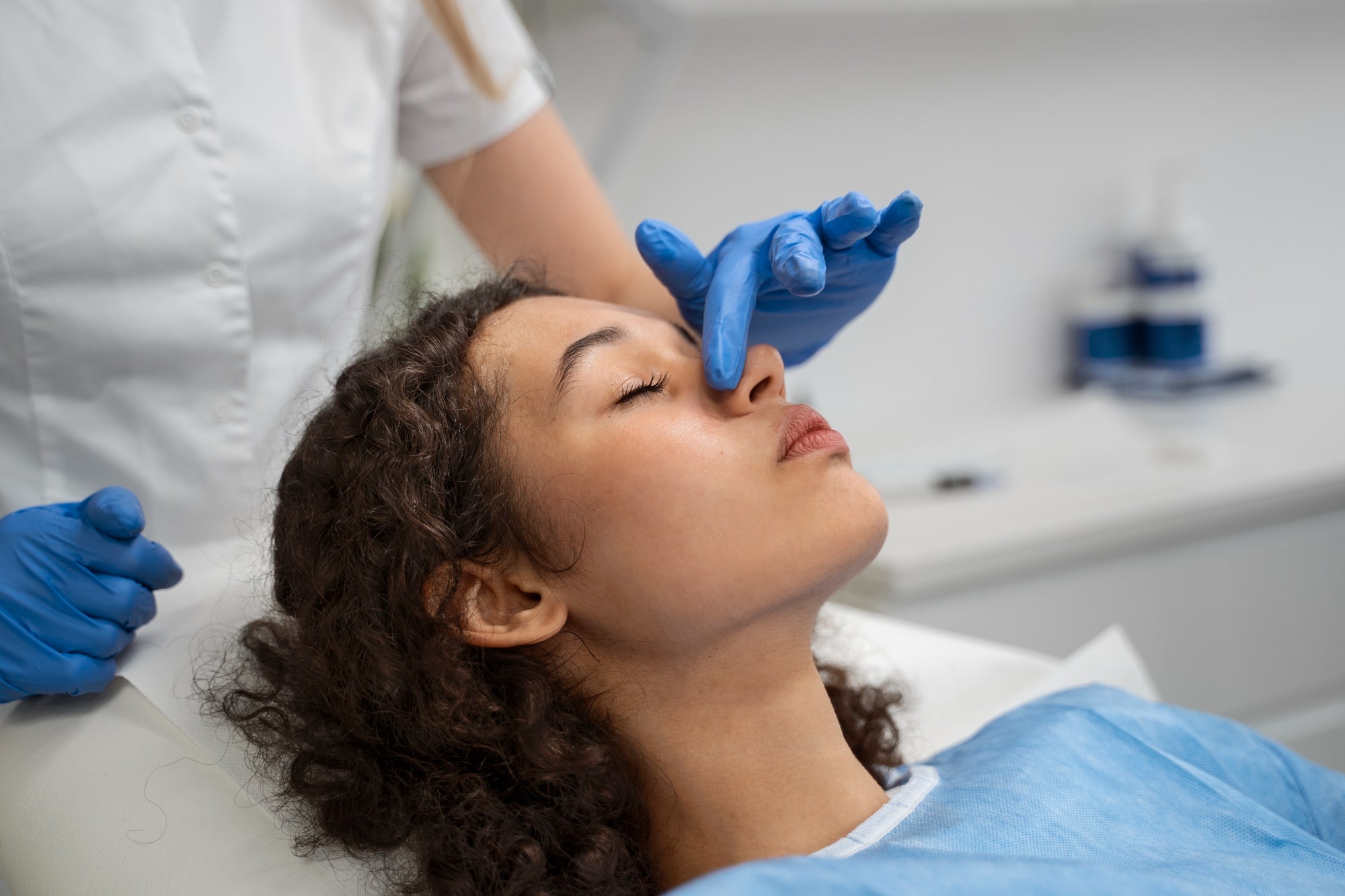
Most commonly, a small incision is made on the premolar or molar region to expose the jaw bone. A small opening is cut into the bone, and the membrane lining the sinus is pushed upward. The underlying space is filled with bone grafting material, either from your own body or from a other sources. Sometimes, synthetic materials that imitate bone formation are used. After the bone is implanted, the incision is sutured and the healing process begins. After several months of healing, the bone becomes part of the patient’s jaw and dental implants can be inserted and stabilized in the newly formed sinus bone.
The sinus graft makes it possible for many patients to have dental implants that previously had no other option besides wearing loose dentures.
A sinus augmentation is generally performed at our office, under local anesthesia. Some patients may request oral or intravenous sedative medication as well.
Find your nearest location and set up your consultation with our team.
If you are a current patient with a post-operative concern, please call our After-Hours Line at (828) 315-3544. A doctor is on-call and ready to assist you.
For emergencies, please call 911 or go to your nearest emergency room.